ChatGPT
 Grok
Grok
 Perplexity AI
ChatGPT
Grok
Perplexity AI
Perplexity AI
ChatGPT
Grok
Perplexity AI
4 min read | By Muhammed Irbaz | 19 May 2026 | Artificial Intelligence
The way we produce and consume news is shifting faster than most newsrooms can adapt.
Audiences increasingly expect video, but traditional video production, even for short news clips, is notoriously slow. Scripting, filming, location setup, teleprompter reads, and post-production can chew up half a day. By the time the video is ready, the news cycle has already moved on. Automated video solutions are stepping in to close that gap, and the results are changing how digital publishers think about daily output.
The value of automated video news creation isn’t just about speed, though speed is the most obvious win. A well-built tool removes the need for on-camera talent for every single update, which is a game-changer for digital publishers operating with small crews. Instead of booking studio time or wrestling with lighting, a producer can feed a script into the system and get back a polished segment featuring a photorealistic AI anchor.
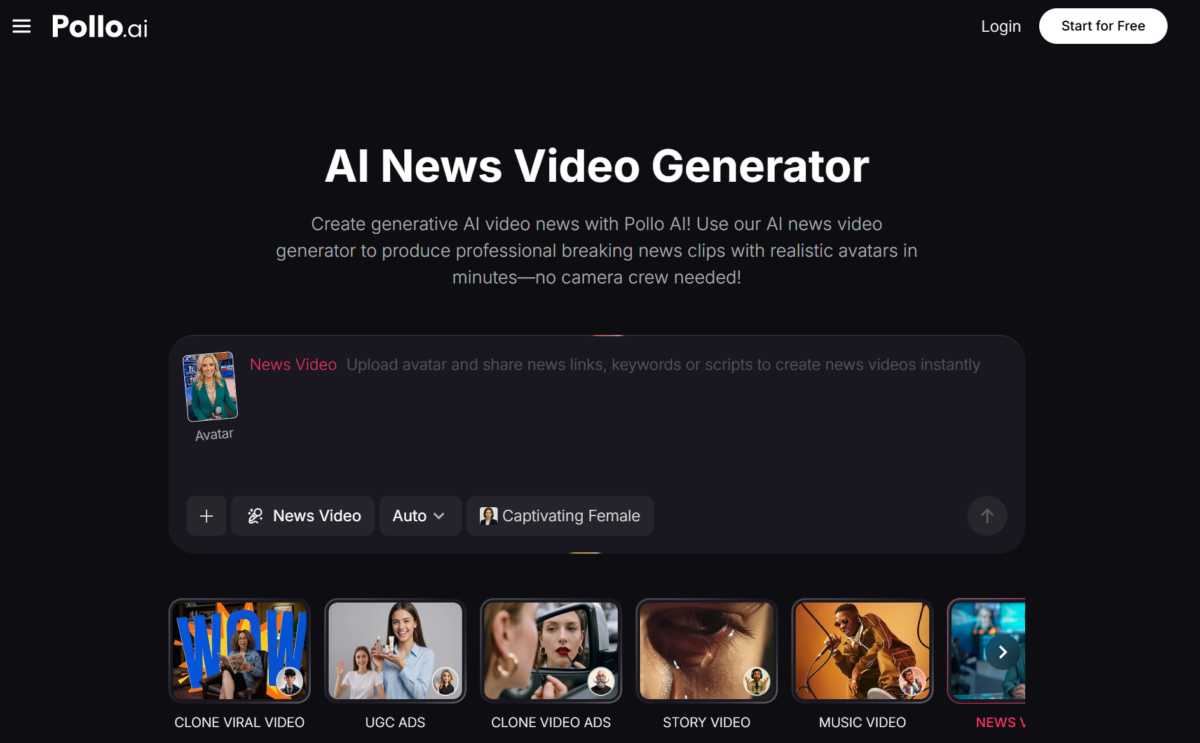
An AI news video generator like Pollo AI featured here does this with a level of facial naturalness and voice sync that feels less like a robot reading text and more like a morning show segment.
The use cases are broader than you’d expect. Small news blogs covering local politics are adopting this workflow. So are international correspondents translating reports into short English segments and corporate communications teams issuing internal video updates.
The production bottleneck has always been the on-camera element. Even experienced presenters need warm-up takes, and editing out stumbles from a five-minute clip can easily eat up an hour. When news moves fast, that hour is a luxury many outlets simply don’t have. Automated solutions address this directly by generating clean takes on the first pass, every single time.
The real depth comes from how customizable these AI anchors have become. You’re not stuck with one generic talking head. Language selection, voice tone, background environments, and even on-screen text overlays can be adjusted to match the editorial style of the outlet. This matters more than many people realize at first. A tech news channel wants a different vibe than a financial digest, and audiences subconsciously trust content more when the visual presentation aligns with their expectations. The platform provides template flexibility that lets editors build a consistent visual brand around their automated segments, something earlier synthetic media tools couldn’t offer.
Viewers are sophisticated. They may not consciously analyze an AI presenter’s lip sync, but they’ll notice if something feels off. The current generation of tools has crossed an important line where the uncanny valley effect is no longer a dealbreaker. Micro-expressions, natural blinking patterns, and subtle head movements now combine to create a presenter that holds attention without triggering that creeping sense of artificiality. For news publishers, this credibility threshold is everything, if the anchor looks distracting, the journalism itself loses trust.
So where do you start if you want to test this for your own publication? Most people begin by comparing the current market leaders. The comparison to Synthesia often comes up, and for good reason, Synthesia pioneered many of the enterprise use cases for AI-generated video presenters, and it remains a strong tool for large organizations with complex workflows. But teams focused on rapid daily news output often gravitate toward platforms with faster onboarding and rendering pipelines. The lip-sync accuracy holds up even with fast-paced scripts loaded with jargon, and avatar quality has reached a point where the uncanny valley problem is virtually gone.
When evaluating platforms side by side, pay attention to avatar diversity, background customization, and text overlay capabilities. Some tools lock their best avatars behind higher pricing tiers. Others limit the number of custom backgrounds you can upload. The best platforms tend to offer more flexibility on these fronts without requiring a conversation with a sales team first, which matters when you need to spin up a pilot project quickly rather than navigate a procurement cycle.
One of the less-discussed benefits is multilingual news distribution. Many regional publishers have excellent journalism but lack the resources to translate and dub their reports for broader audiences. An AI news video system can take a report written in one language and deliver it via an anchor speaking naturally in another, complete with accurate lip sync. That capability used to cost thousands of dollars per minute with traditional dubbing services. Now it’s accessible enough that a mid-sized media company can run a multilingual YouTube channel without hiring a single bilingual presenter.
Regional newsrooms covering immigrant communities have been early adopters here. A single reporter can file a story in Spanish and publish video versions in both Spanish and English within the same afternoon. Trade publications covering niche industries are doing the same thing, translating technical updates for international audiences without waiting on freelance translators. This represents a meaningful shift in who gets to participate in global news distribution.
The trend is clear: video news is becoming more modular and automated. Text overlays lower-thirds with breaking news headlines, stock tickers, location tags, can be layered in without touching an external video editor. For teams publishing multiple clips per day, keeping the entire workflow inside one platform like Pollo AI saves a surprising amount of cognitive overhead. You’re not exporting rough cuts back and forth between tools, which is where small mistakes and wasted time tend to accumulate.
The outlets that figure out how to integrate AI anchors seamlessly into their daily operations will have a structural advantage over those still spending four hours editing a two-minute clip. The technology is no longer a novelty, it’s quietly becoming the backend infrastructure for how a significant chunk of online news video gets made.
Join over 150,000+ subscribers who get our best digital insights, strategies and tips delivered straight to their inbox.