ChatGPT
 Grok
Grok
 Perplexity AI
ChatGPT
Grok
Perplexity AI
Perplexity AI
ChatGPT
Grok
Perplexity AI
4 min read | By Admin | 27 March 2026 |
Source: Grandviewresearch
The world of healthcare is going through a revolution. From artificial intelligence-based diagnostic tools to connected wearable devices, software has become the new backbone of healthcare. For all players in the healthcare ecosystem, ranging from hospitals to clinics to digital health companies, the focus for 2026 is all about embracing change and doing so with fewer resources.
Technology alone does not bring about change. The change comes based on the effectiveness of software being developed. This is where the selection of the right software development company for healthcare software has become more important than ever.
This blog will cover the top 10 software development services for healthcare in 2026 and the capabilities that the top healthcare IT companies have to offer.
However, the technology has moved beyond video conferencing. Today, the tools offer asynchronous consultations, AI-based triage, and chronic care management, all within a HIPAA-compliant and EHR-integrated environment. Here’s what modern telemedicine development has to offer:
For organizations looking to expand reach without expanding overhead, telemedicine remains one of the highest-ROI investments in healthcare IT.
Administrative tasks like prior authorization, insurance verification, and appointment follow-up consume enormous staff time. RPA combined with healthcare-specific CRM systems solves this at scale automating back-office work while managing the full patient relationship lifecycle.
The result is lower operational cost and clinical teams freed from paperwork.
Every healthcare organization is unique in how it operates. While electronic health record systems such as Epic Systems and Cerner Systems are powerful tools, they do not lend themselves to specialty clinics or value-based healthcare delivery. Custom healthcare software development companies help bridge this need by designing healthcare software that operates in harmony with how healthcare is delivered.
The best healthcare software companies know EHR customization is as much a workflow design challenge as a technical one.
Wearables are generating more patient data than ever. The challenge is no longer collection, it is turning that data into timely, actionable intelligence. Top healthcare software development companies are building RPM platforms that risk-stratify alerts and route notifications to the right care team member at the right time.
Claim denials and coding errors cost the industry billions annually. The best healthcare IT companies are applying AI and automation to transform RCM into a proactive financial intelligence system reducing denials, accelerating collections, and keeping audits clean.
For complex billing environments, purpose-built RCM software is not a luxury, it is a financial necessity.
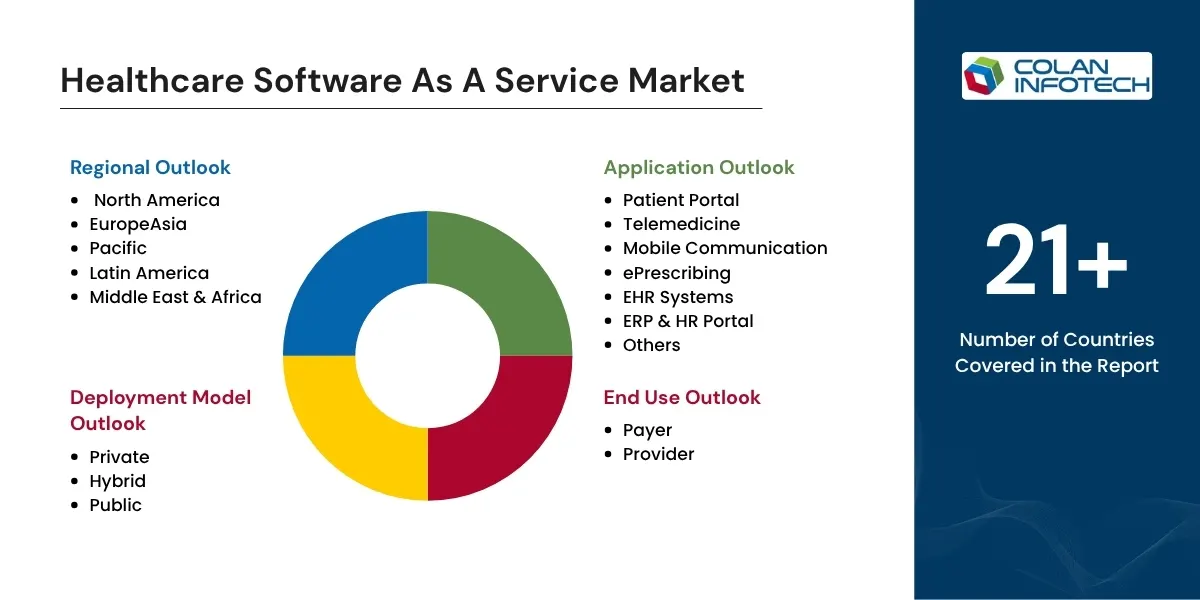
In 2026, artificial intelligence will be a very active clinical tool, with diagnostic tools incorporated into the workflow of radiology and pathology, and clinical decision support tools highlighting patients who are deteriorating and assisting with medication management in real-time. All artificial intelligence tools used in a clinical setting must be validated, interpretable, and, as applicable, FDA cleared.
The key to adoption is integration AI that fits into existing workflows. AI that does not, gets ignored.
Patients now expect healthcare digital experiences that are seamless, personalized, and mobile-first. Modern portals built by leading healthcare software companies go far beyond lab results. They serve as digital care companions guiding patients through their journey and motivating behavior change between visits.
Organizations that get this right see stronger adherence, higher satisfaction scores, and better preventive care outcomes.
The challenge in the field of healthcare has never been the amount of data. It has always been to make the data actionable. In the year 2026, the best companies in the field of healthcare IT are developing analytics platforms that combine clinical, claims, and social determinants data to bring up the insights before the problems arise.
For ACOs and health plans managing risk-based contracts, predictive population health tools are the operating system for proactive care delivery.
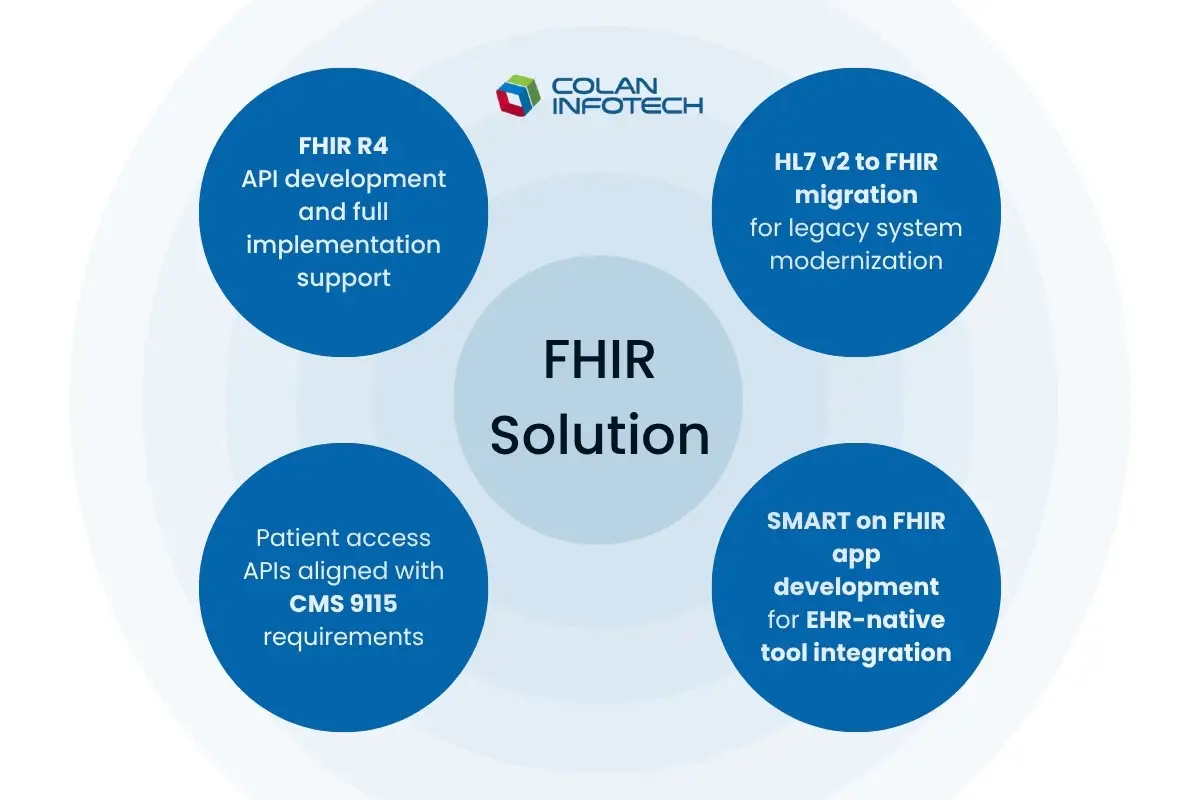
Interoperability has also become a federal mandate. However, the real benefits lie not only in the compliance but also in the development of an ecosystem where data flows across the entire continuum of care. Top healthcare software companies with vast experience in the application of FHIR and HL7 help break the silos.
Software as a Medical Device is the most challenging place where software development and regulatory compliance converge. Whether it is analyzing electrocardiogram signals or interpreting diagnostic images, software as a medical device must comply with FDA regulations like IEC 62304 and ISO 14971. The best healthcare software development companies are the ones that combine clinical, software, and regulatory skills in one place.
These ten services are present-day priorities not predictions. The gap between organizations investing in modern healthcare IT and those that are not is widening every year.
The top healthcare IT services companies are not just technology vendors, they are strategic partners who understand clinical workflows, regulatory obligations, and the complexity of building software in high-stakes environments.
At Colan Infotech, we bring domain expertise and proven capability to every healthcare engagement. Whether you’re looking for a FHIR integration layer, a custom EHR module, or an AI-powered tool, we build software that delivers outcomes, not just features.
Simple tools take 8 to 16 weeks. Complex platforms can take 6 to 18 months. Clear requirements speed things up.
Find a team that knows healthcare, not just coding. HIPAA, FHIR, and clinical workflow experience matter as much as technical skills.
Through encryption, access controls, audit logs, and HIPAA-compliant infrastructure built in from day one, not added later.
Anywhere from $30,000 for a basic portal to $150,000 or more for complex platforms..
Most legacy systems can be upgraded through API layers and FHIR migration, no full replacement needed.
Join over 150,000+ subscribers who get our best digital insights, strategies and tips delivered straight to their inbox.