 ChatGPT
 Grok
Grok
 Perplexity AI
ChatGPT
Grok
Perplexity AI
Perplexity AI
ChatGPT
Grok
Perplexity AI

4 min read | By Admin | 20 December 2021 | Frameworks
Presently, technology has become one of the preeminent components for all businesses, also it is a key factor in running a business, whether it is a large company or not.
Facebook developed React Native to lessen the cost of building mobile applications. Consequently, React Native in 2026 became the ideal option for 40–42% of mobile app developers worldwide.
React Native is renowned for its flexibility in mobile app development and its cross-platform compatibility structures. Additionally, it is integrated with the JS library, which functions as a fundamental building block for the app user interface.
React Native mobile development interacts with native Android and iOS components and goes one step further and generates native API codes without interruption. Using threads that differ precisely from the native APIs and UIs in React Native enhance performance.
React Native offers a modular design and configuration that allows developers to update applications instantly. Furthermore, it has a simpler and less complex user interface and uses a software interface to remove unwanted components to achieve the perfect sequence for building apps.
In such exotic ways React Native is going to dominate mobile app developmentin 2026through bestowing amazing features and benefits. Therefore, let’s find here, how React Native will transform mobile app development in 2026.
Let’s start with an introduction!
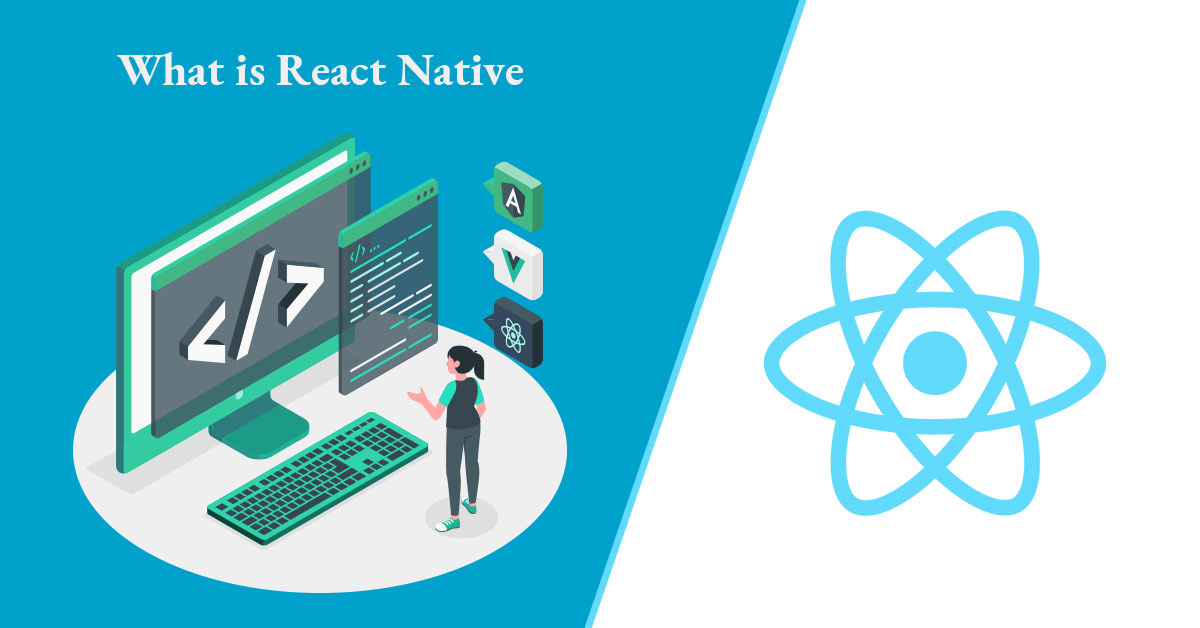
React Native is an open-source framework to create native apps for Android and iOS. React Native combines the best parts of native development with React, a best-in-class JavaScript library for building user interfaces.
React Native- Many platforms, one React. It helps to create platform-specific versions of components so a single codebase can share code across platforms and it is written in JavaScript and rendered with native code.
React Native lets you create truly native apps and doesn’t compromise your users’ experiences. It provides a core set of platform-agnostic native components like View, Text, and Image that map directly to the platform’s native UI building blocks.
Facebook released React Native in 2015 and has been maintaining it ever since. With the power of JavaScript, React Native lets you iterate at lightning speed. No more waiting for native builds to finish.
React Native future 2026 is being used in thousands of apps and some of it is;
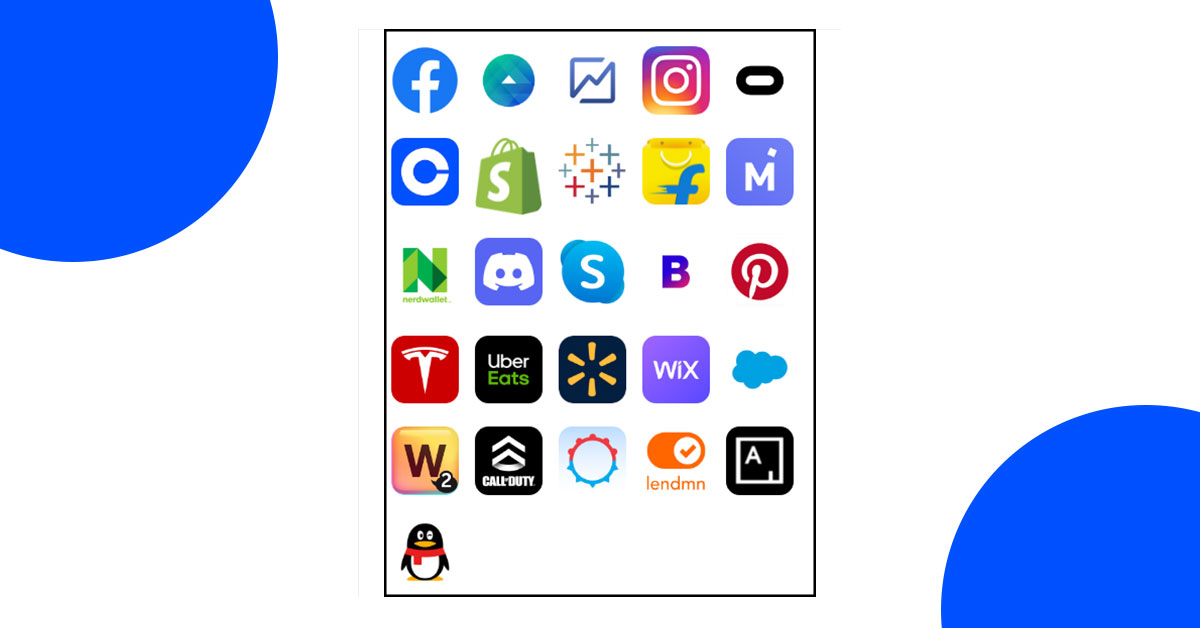
React Native 2026 the development of apps consisting of JS code and native by making the bridge between an app and a target platform.
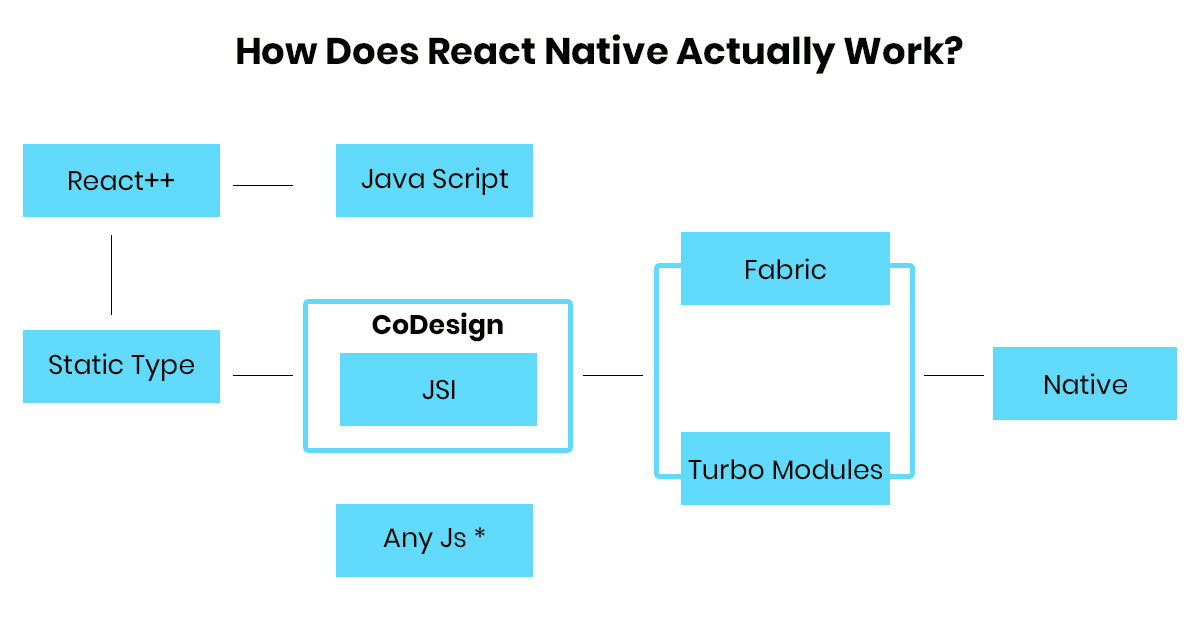
React Native 2022 the development of apps consisting of JS code and native by making the bridge between an app and a target platform.
When JavaScript has been running along with some native code, the React Native’s bridge system leverages the React library and transfers components’ hierarchy to the mobile device view.
For example, if the user presses a button, this case will be translated into a JavaScript handling event.
After that, by sending messages between native platforms and JS code, React Native Bridges translates native events into react components that can be understood and acted upon.

Many companies today prefer to build their mobile app development with React Native because one can write all the code in JavaScript and share it across iOS and Android. We’ve gathered some prominent advantages of React Native for your use and let’s see them below,
React native apps work just like native apps created on specific iOS or Android operating systems. The programming language is optimized for mobile devices so they are fast.
React Native has hot and live reloading functions and this enables developers to work with code changes in real-time and make fixes while the app is loading.
The live feature automatically reloads the entire app after changes are made, while hot reloading only reloads a specific area of the change, so it eases the development and testing process.
React Native saves time in the development of the app, which saves a lot of money that would have been put into building separate apps because 95% or more of the code is cross-platform, meaning it is compatible with both Android and iOS, developers only need to build one app, and in the end, two apps are created.
React Native has the largest community of all cross-platforms. The biggest benefit of strong community support is the help available to developers.
Since RN is an open-source platform, you can enlist the help of social experts or find libraries of relevant information that you can use to build React Native-based applications.
The type of interface used in react native mobile app development makes it easy for different developers in the group to jump on the bandwagon and continue to build. This increases the flexibility of the board and makes it easier to update and upgrade the mobile app.
To make up for that shortcoming, it ensures that developers have access to third-party plug-ins such as JavaScript modules and native modules. For instance, if a developer wants to include Google Maps in their app, React Native will allow them to integrate with a third-party or native module.
The driving force behind the application of React Native Technology is that it assures a simplified and uncomplicated mobile user interface. The Javascript library resembles an open-source framework rather than a conventional framework.
With the help of this technology developers are able to achieve the appropriate sequence for creating apps.
React Native app developmentcomponents map 1:1 with native development ones. It allows developers to draw interfaces faster, increase the agility of the app, and create an authentic, native feel that is impalpable from the native app.
React Native remains a strong choice for mobile app development in 2026, especially for businesses that want to build apps for both Android and iOS using a single codebase. It helps reduce development time, costs, and maintenance while delivering near-native performance.
With continuous updates, a large developer community, and strong ecosystem support, React Native is suitable for startups and enterprises alike. However, the right choice also depends on project complexity, performance needs, and specific app requirements.
React Native is considered a strong choice for the future of mobile app development because it enables cross-platform apps using a single codebase. This helps reduce development time and cost.
Flutter may offer slightly better performance since it compiles directly to native code. However, React Native still provides fast performance for most mobile applications.
React Native allows cross-platform development, reusable components, and faster development. It also reduces costs and provides access to native device features.
Yes, React Native remained relevant in 2026 and continues to be widely used by companies to build cross-platform mobile applications.
React Native is a frontend framework used to build the user interface of mobile applications. Backend services are handled using other technologies.
Join over 150,000+ subscribers who get our best digital insights, strategies and tips delivered straight to their inbox.


2 replies on “How React Native Will Transform Mobile App Development In 2026?”
your article is very interesting thanks for sharing such an amazing information i hope you keep on sharing such informative articles
Very worth written blog.Thanks for sharing. Too much detailed and informative for beginners.