 ChatGPT
 Grok
Grok
 Perplexity AI
ChatGPT
Grok
Perplexity AI
Perplexity AI
ChatGPT
Grok
Perplexity AI
4 min read | By Admin | 25 October 2016 | Technology
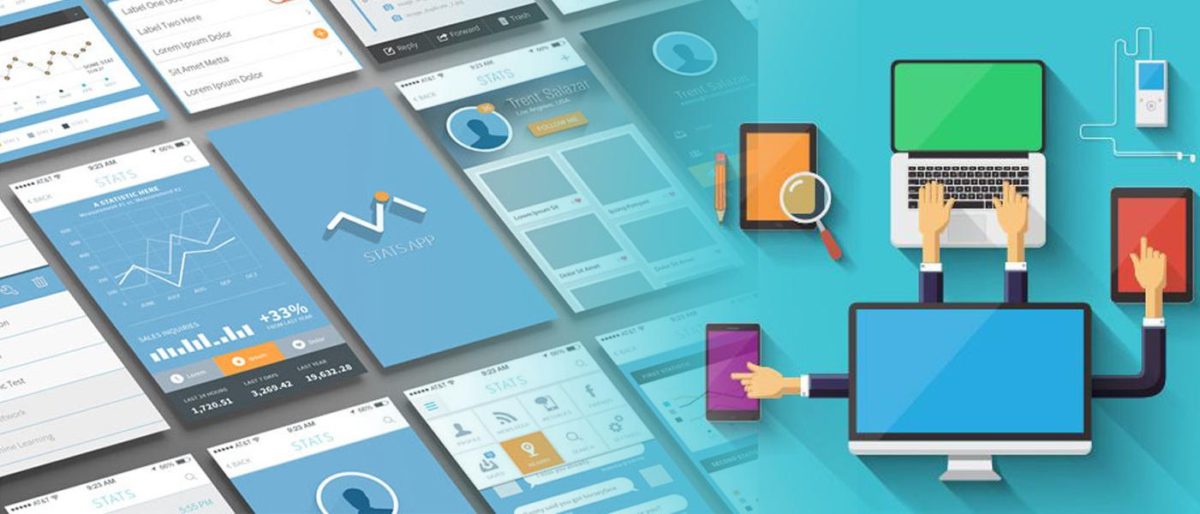
In the Mobile App Design a convertible can be found. No longer the individual device is the focus, but the whole ecosystem – what from the device via the context to person, – must be in the development of mobile applications in mind. Like the six mobile app-design trends for 2026 show, the keyword of mobility in the future in the design of applications is the tone.
However, the increasing influence of the surfing behavior and the brand perception is not to be equated with a growing distrust of mobile applications – quite the contrary. So 72 percent, products and services and services directly buy APP. 71 percent said their invoices are the favorite to manage mobile. And 65 percent are willing, via mobile data terminal service requests and feedback.Most of the Mobile application development company in chennai has been following these trends.
So more than enough reasons to get a closer look at the top Mobile App-design trends for the year 2026 to throw.
Simple navigations to increase the performance and intuitive operation are just two aspects of a good user experience. Under UX is generally that the design to the wishes and needs of the users. Another important point to improve the user experience in the Mobile App Design is the navigation. The users expect that content and offers seamless and can navigate without great effort – they want to be able to find exactly what you are looking for.
Another common element is the home button, the function of which is most familiar to users. In addition to its intuitive usability scores the home icon by an efficient processing of the elementary content offers and further content. Since the user often not only with an app, but with several at the same time interact, provides the home function is a proven way to fast orientation.
the mobile revolution has not only ensured that the users from anywhere and at any time on services or services in the network can access. The development has also meant that the output, design and presentation of content in the online area depending on the platform and device must differ. Due to the numerous publication channels and possibilities in the network can only be so for a good content experience will be provided.
The transformation of the responsive design in the mobile app-Segment focuses not only on the device resolution, but also reacts responsive to its users. In the technical scale now play context relevant and personal information that can be read out on the server side, play an important role. The devices and cross-platform adaptation is in this way by a situation-oriented optimization of the content is added.
Some examples of such a “Context-Aware-Design” discussed Matt carver in his article. For example, via an app drinks sold, can be caused by the evaluation of the environmental data to determine whether the purchase of the day or the evening is made. Depending on the time of day can be morning coffee and evening tea will be offered. By determining the temperature is also possible in summer Iced coffee and iced tea instead of warm drinks to apply.
It is also conceivable that the motion sensors for mobile devices and evaluate this motion profiles to create. For example, recognizes the device that the user moves, it may be the size of the buttons adjust automatically so that you can be clicked Go easier. Also possible is an interface, the color design at the time of the day – vote of creativity are set no limits here.
Functional animations for a long time served as eye-candy animations only. Ensuring that the own app from the applications of the competition could be clearly distinguished. Now more and more designers integrate animations not more from aesthetic, but primarily for functional reasons.
The performance of the own application to increase, kept minimalist design concepts in the Mobile App Design feeder. Currents such as the flat design, however, have a significant disadvantage: by dispensing with optical ornaments is not always clear what elements can be clicked on and which are not.
Stronger focus on typography and colors and also in another point are Olson and Cao agree: The Mobile App Design is located in 2026 is clearly more scalable than hitherto; Focus Typografie because: the smaller the screen, the more important the font. A lack of scaling is at the expense of the readability, which in turn have a negative impact on the usability and thus ultimately impact on the user experience.
A mobile font is that he is the balance between a good readability and the correct intervals. It is therefore pleased to simple fonts such as (iOS) or robot (Android) is used. In addition, the used typography for a clear hierarchy between the individual text elements – the text orientation is also a decisive role
Storytelling, branding and democratisation is a trend in the field of web design is the increase of the user experience through visual narrative – this technology is now also available in the App Design ever more frequently used. The reason for this is the assessment of products and services of one undertaking on the basis of the experience with digital applications.
A good visual history is characterized by the successful combination of narrative, visual and interactive elements that a coherent and harmonious overall picture. It is important to make sure that the story both to the needs of users as well as to the objectives of the business.
Wearable technologies are becoming more important as the test results show that only around one in ten users are wearable. But smartwatches and fitness bracelets are evidence, before which challenges the Mobile App trends in the future are: the device landscape is becoming increasingly changing and more varied.
Instead of mobile applications such as previously only used for smartphones and tablets to develop in the foreseeable future will be the watchword of the mobility into the center of theandroid mobile application developmentprocess back. As Sergio Nouvel in his article argues, future products compatible with a variety of devices, sensor technologies and network technologies.
In analogy to the transformation of the responsive design means that with the design is no longer the individual device in the center, but the whole ecosystem (device, context and person) must be taken into consideration. Smartphones are no longer the only context-sensitive devices, the situation-specific data. Apps must therefore all interfaces so that you can connect to each other in the first line to increase the user experience.
Mobile app design trends help businesses create better user experiences and keep their apps modern and easy to use.
Good design makes apps simple, attractive, and easy to navigate, which encourages users to spend more time using them.
User experience is very important because a smooth and simple app encourages users to continue using it.
Businesses can update their apps regularly, improve design features, and follow new technology developments.
Supporting different devices helps apps reach more users and provide a consistent experience across platforms.
Join over 150,000+ subscribers who get our best digital insights, strategies and tips delivered straight to their inbox.

Comments are closed.