ChatGPT
 Grok
Grok
 Perplexity AI
ChatGPT
Grok
Perplexity AI
Perplexity AI
ChatGPT
Grok
Perplexity AI
4 min read | By Muhammed Irbaz | 05 May 2026 | Ecommerce
We’re almost halfway through 2027, and the eCommerce landscape has transformed vastly compared to the last three years. AI agents personalize shopping experiences in real time. Social commerce on TikTok and Instagram has progressed from experimental to essential. Sustainability is no longer optional. Customers expect it. Meanwhile, new platforms emerge every month, each promising to be the next big thing.
So, where does this leave Shopify? Is it still the gold standard, or has it become old news? We have been working on this platform long enough to provide an honest response. And believe us, it’s more interesting than simply saying yes or no.
Before we can discuss whether the Shopify ecosystem makes sense in 2026, we need to understand why it dominated the ecommerce industry in the first place. Shopify did not emerge as a preferred choice of millions of online stores by accident. There’s a complete story behind it, and it solved actual industry problems.
Consider how launching an ecommerce online store looked before Shopify. You’d need to find hosting, install apps and widgets, manage security certificates, set up payment gateways, and keep your store’s user experience smooth as your traffic grows. Most small businesses don’t want to get into all of this. That’s why they prefer to hire a Shopify website design company and let the experts manage and maintain all the technical aspects.
They just need to focus on their products and customers rather than server configurations at midnight.
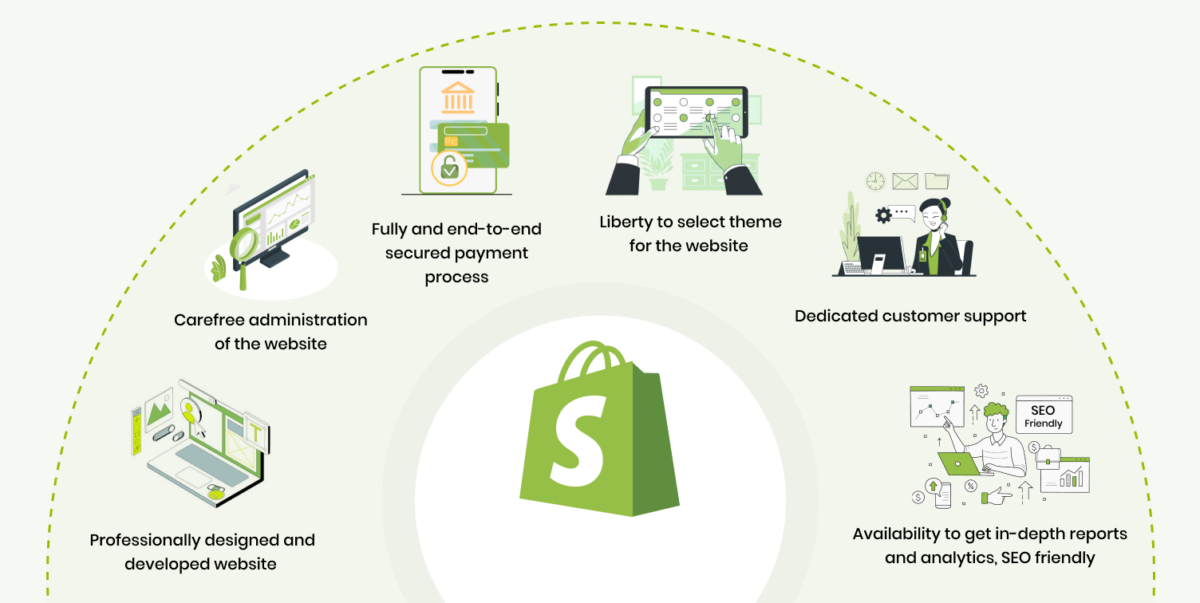
Shopify transformed this equation completely. They handled the technical issues so that merchants could focus on what really matters: growing their business. Furthermore, they made it understandable to people who didn’t know the difference between HTML and HTTP.
Shopify knows that businesses grow and need changes as you grow and expand. What works for your first 100 sales may not work for the 100,000th. Thanks to Shopify, you get access to a scalable infrastructure that doesn’t require you to rebuild everything from scratch. That’s not very appealing, but it’s extremely useful when you’re trying to capitalize on momentum rather than dealing with technical migrations.
In 2026, creating an online store on Shopify will take hours rather than weeks. I’ve seen complete beginners go from idea to live store in one afternoon. The drag-and-drop editor remains intuitive, the dashboard makes sense, and inventory management doesn’t require a computer science degree.
This may sound simple, but it is essential. Every hour you spend fighting with your platform is an hour you don’t have for product development, customer service, or marketing. When you’re bootstrapping a business or running lean, time is money.
The platform manages hosting, security updates, PCI compliance, and SSL certificates automatically. These are the kinds of things that seem insignificant until something breaks, and then they consume your entire week.
As of 2026, Shopify’s App Store includes over 8,000 free and paid apps ranging from email marketing to advanced analytics. This is important because your store’s needs change over time. The simple setup you begin with will eventually require abandoned cart recovery, subscription management, or multilingual support.
The apps allow you to add functionality without completely rebuilding your store. Need better SEO tools? Include augmented reality product previews? Or do you want to integrate your warehouse management system with your store? There’s always an app. If you’re just getting started and have a small store, many apps offer free plans. Though you’ll have to invest in paid options as you grow.
Shopify is capable of handling traffic spikes that would cause many platforms to crash. During major sales events such as Black Friday, when your regular traffic increases 10x or 30x, Shopify’s infrastructure remains stable. Global eCommerce sales are expected to total $8.1 trillion by 2026, putting pressure on all platforms. Shopify was designed for this.
The platform also introduced Shopify Plus, which is designed for enterprise-level businesses. Brands with millions in monthly revenue have the infrastructure they require without outgrowing the platform. This path is more important than many people realize; it allows you to start small and scale up without the hassle of migrating to a new platform when you reach a growth limit.
Social platforms such as TikTok Shop and Instagram Checkout blur the distinction between entertainment and eCommerce, and Shopify has adjusted to this reality. The platform’s multi-channel capabilities enable you to sell on your website, social media, marketplaces such as Amazon and eBay, and even physical stores via Shopify POS.
This omnichannel approach reflects the way customers shop in 2026. Someone may discover your product on TikTok, read reviews on Instagram, compare prices on your website, and then make a purchase through whichever channel is most convenient at the time. Managing all of these touchpoints from disparate systems would be a nightmare. Shopify centralises everything.
Inventory syncs across channels automatically, avoiding the embarrassing situation of selling the same item twice. Customer information flows into a single database, providing a complete picture of each buyer’s journey. You can also run promotions across multiple channels at the same time, without having to switch between platforms.
Is Shopify still worth it? Shopify remains one of the best platforms for most businesses looking to sell online.
Shopify’s strengths, including ease of use, scalability, reliability, and ecosystem, continue to provide enormous value. Shopify has evolved alongside major trends such as AI personalization, social commerce, and sustainability, rather than falling behind. Shopify is ideal for businesses that value quick launch, growth over technical management, and access to extensive resources.
Your decision should be based on your specific situation, budget, technical skills, growth goals, and business model. There is no single correct answer, but Shopify will remain a popular choice for the majority of online businesses in 2026. It isn’t perfect, but it’s tried, true, and constantly improving.
Join over 150,000+ subscribers who get our best digital insights, strategies and tips delivered straight to their inbox.